
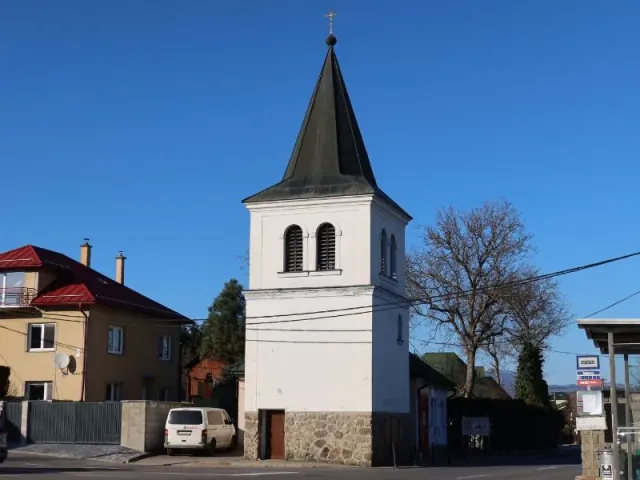
Classicist bell tower
Brick bell tower from 1931 with a bell by J.J. Knobloch from 1783 – the oldest surviving element of the village.
More information →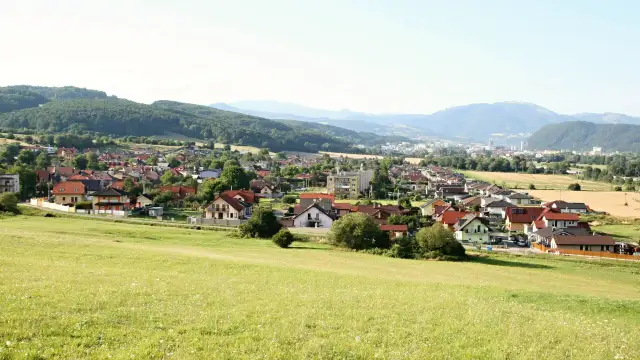
since 1295
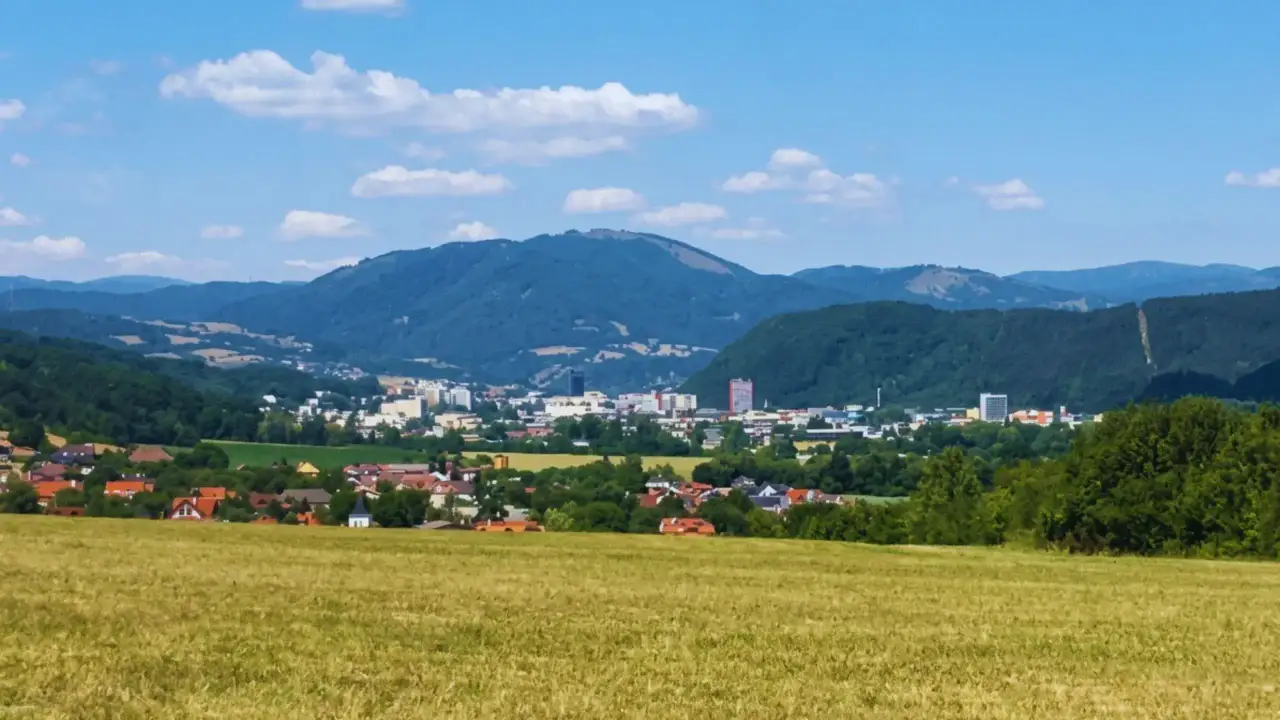
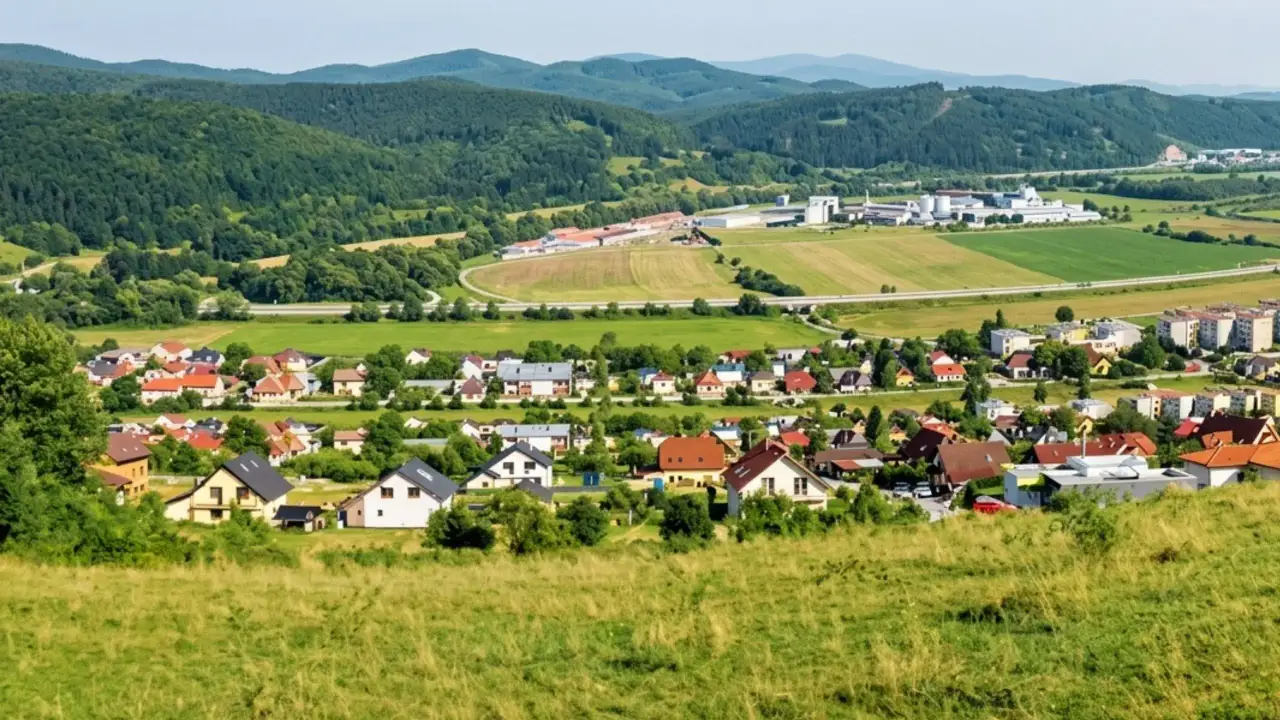
A green and peaceful part of Banská Bystrica
News, events, the official notice board and council meetings are published in Slovak only.
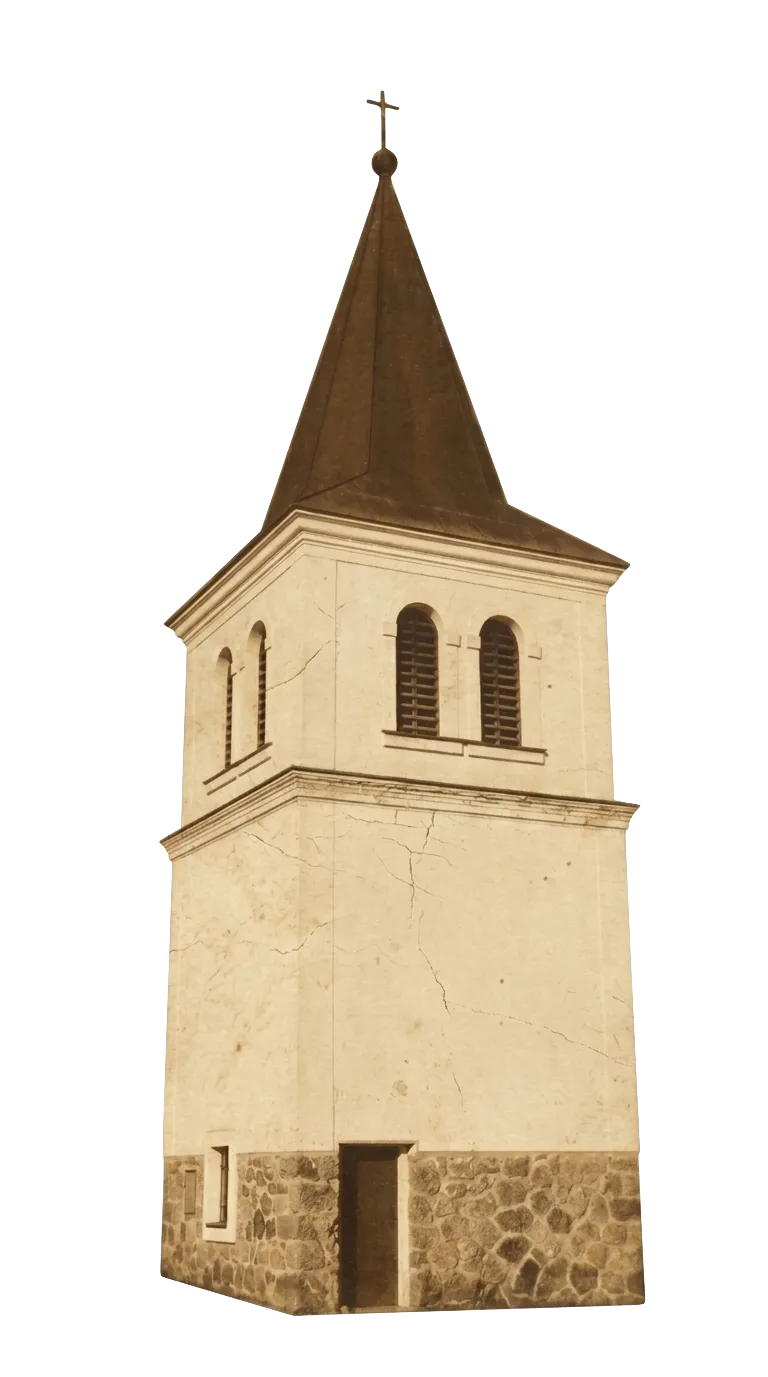 Bell tower from 1931 · bell by J.J. Knobloch (1783)
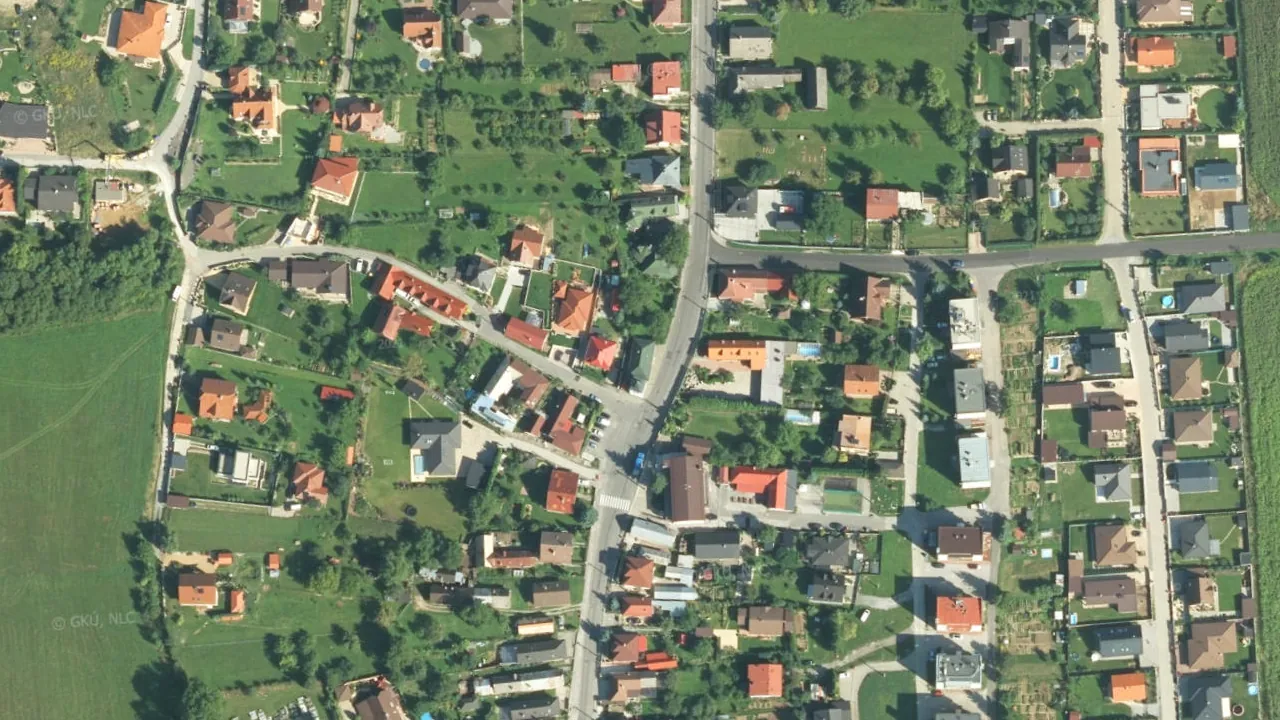
The first written mention of Rakytovce dates from 1295, when a royal grant of King Andrew III of 18 October 1295 set the land aside from the Badín estate for Mikuláš, son of Abrahám. Over seven centuries the village has preserved its distinctive character – a unique dialect, traditions and pride in its own identity.
Between 1852 and 1929, brown coal was mined in the surrounding area, most of all between 1890 and 1929. The symbol of the mining era is the main adit, 120 metres long. The volunteer fire brigade, founded in 1924, is still active today and celebrated its centenary in 2024.
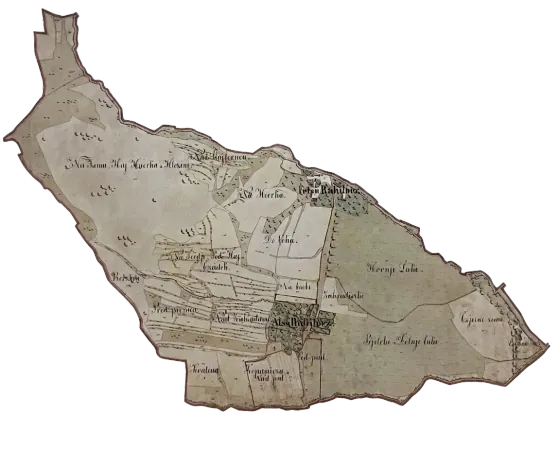 Map from 1859
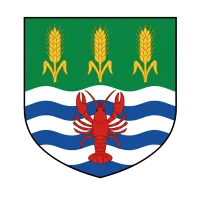
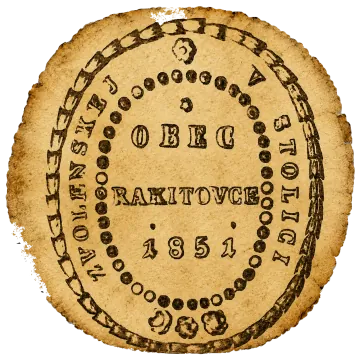 Seal from 1851
Brick bell tower from 1931 with a bell by J.J. Knobloch from 1783 – the oldest surviving element of the village.
More information →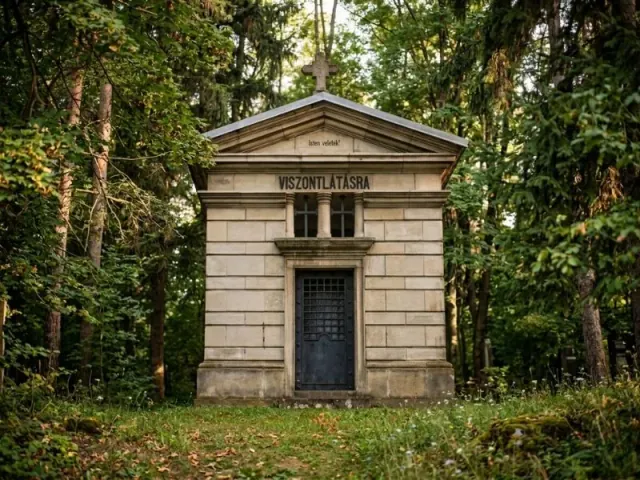
Family crypt at Rakytovce cemetery from 1869. Damaged by artillery fire in 1945.
More information →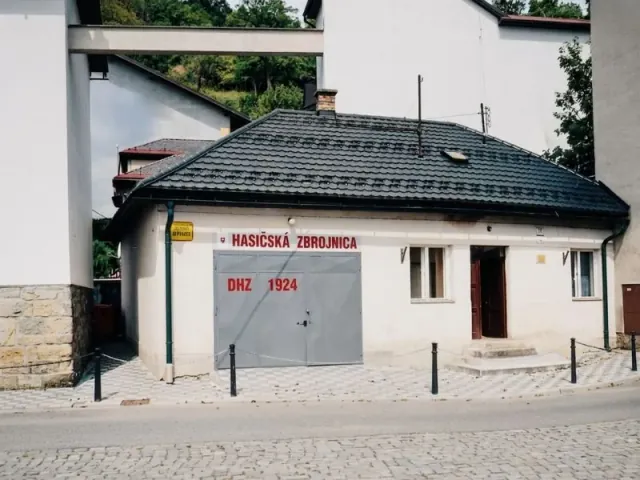
Building constructed by Rakytovce residents through voluntary labour over 1,513 brigade hours.
More information →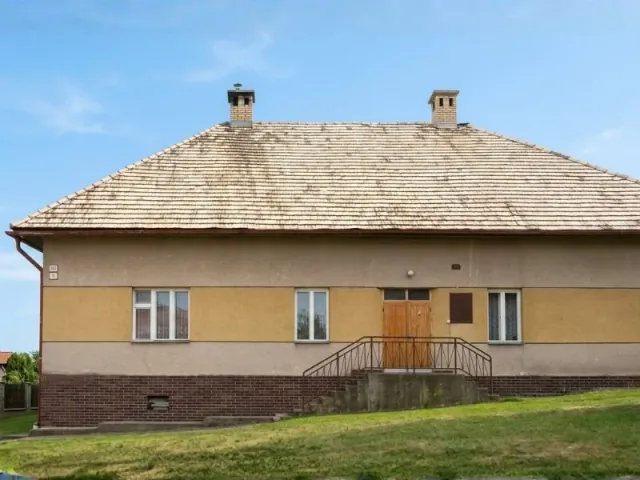
Classicist manor house from the late 18th century, known locally as the "castle". Former seat of the Rakytovce landlords.
More information →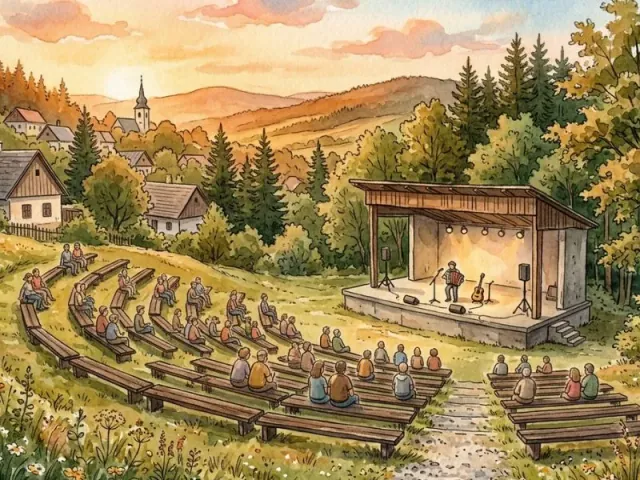
Open-air amphitheatre on the site of the former Jozef mine pump. Cultural centre of Rakytovce.
More information →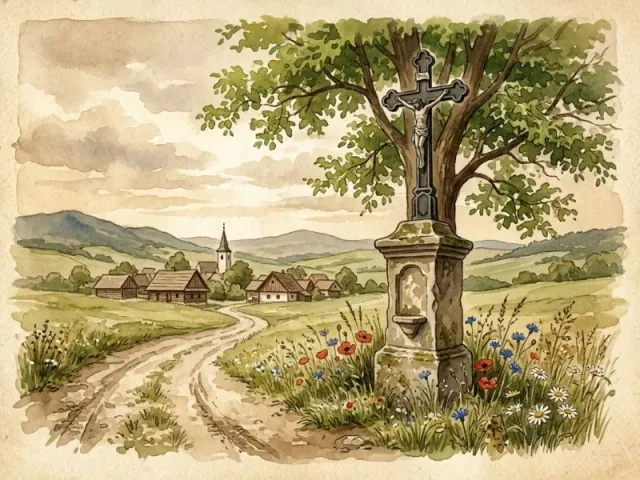
Traditional roadside cross – a silent witness to the lives of several generations of Rakytovce residents.
More information →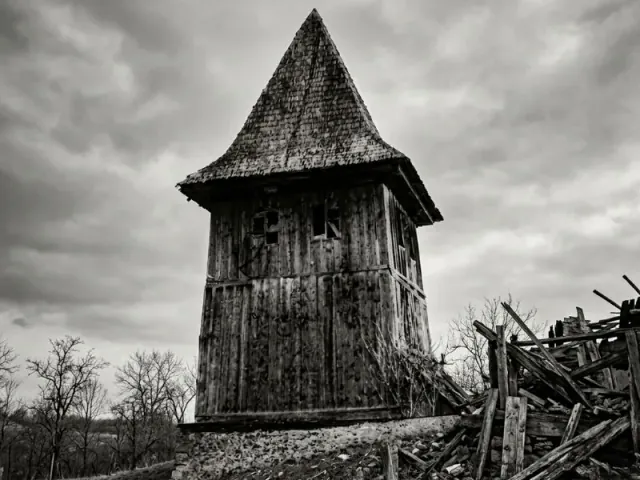
Remnant of the oldest religious structure in the village. The original wooden bell tower converted into a mortuary chapel.
More information →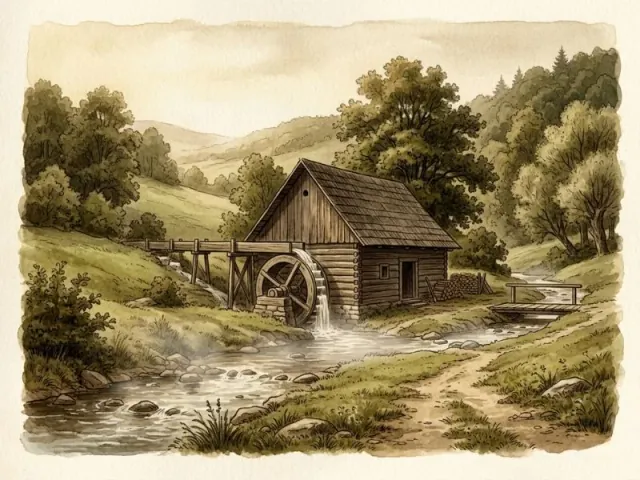
Former water mill on the Rakytovce stream, documented in Josephine mapping (1769–1784).
More information →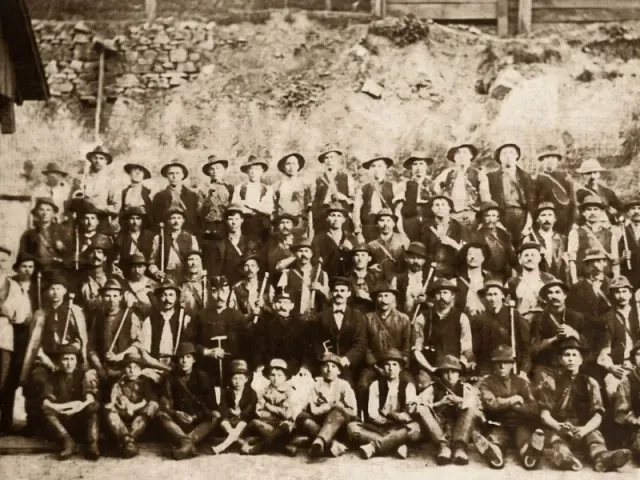
Brown coal mining with a main adit 120 metres long. The cable railway ran over Krásny vršok.
More information →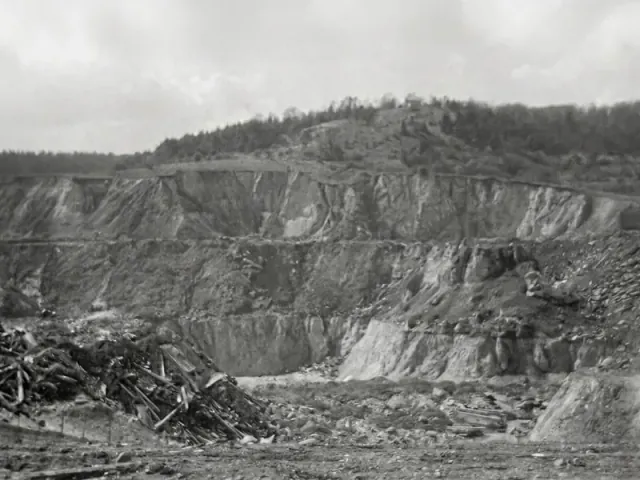
Limestone deposit on Kečka hill (496 m above sea level). Stone was used for road construction and the regulation of the Hron river.
More information →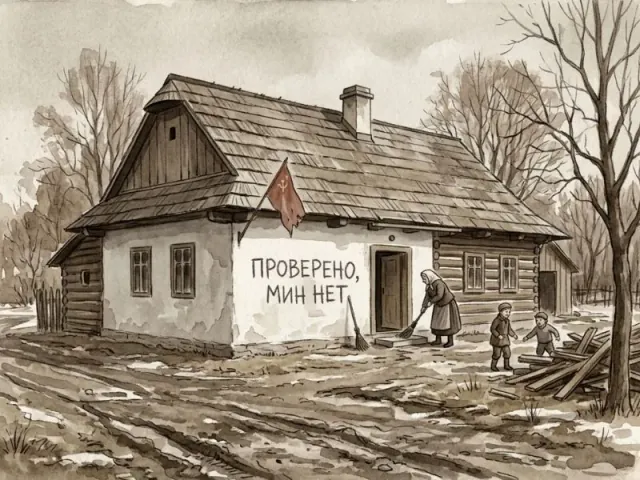
Memento of the liberation of Rakytovce on 21 March 1945. Inscription left by Soviet soldiers on house No. 35.
More information →The Na Bani amphitheatre stands on former mining land
Built in 1968 – part of our cultural heritage
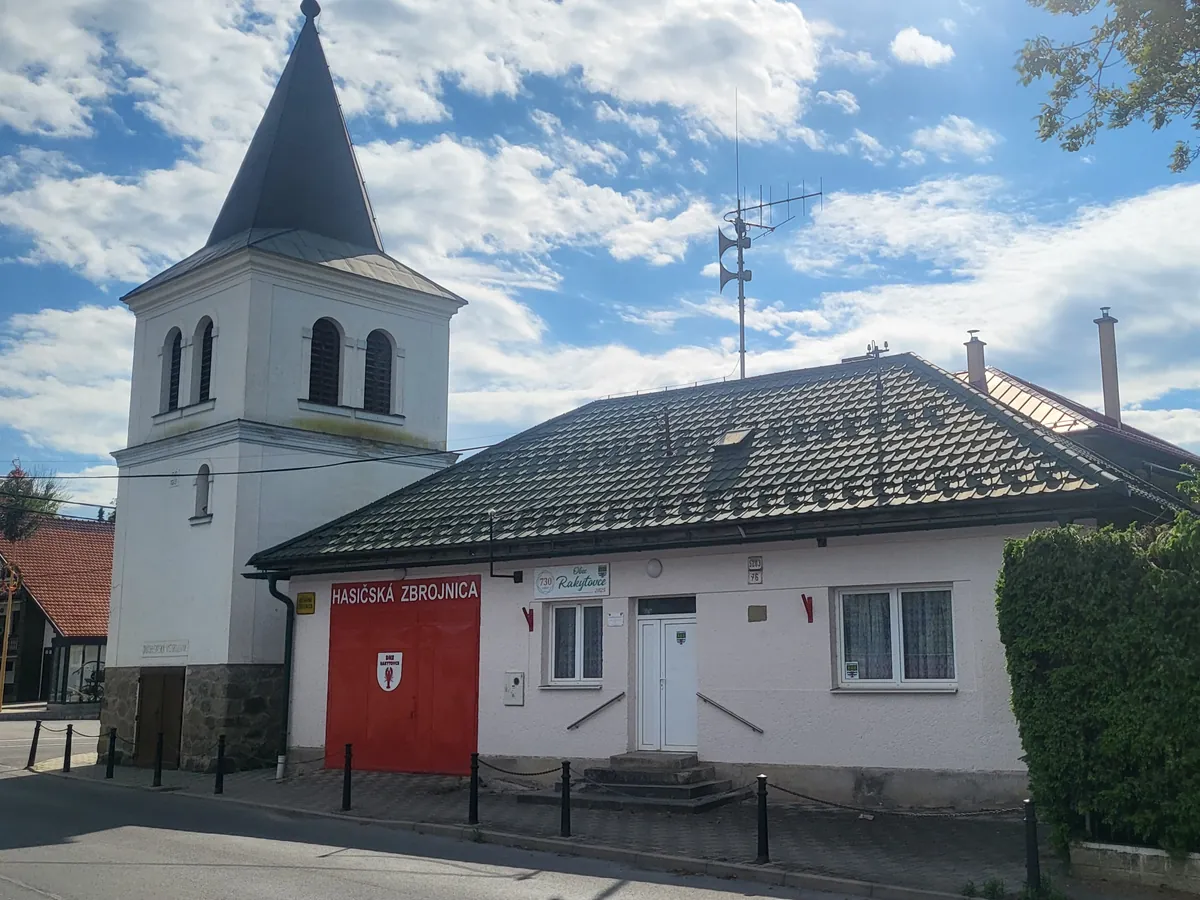
The district has no office of its own. Official matters are handled by Banská Bystrica City Office (Mestský úrad Banská Bystrica). Banská Bystrica city website (in Slovak)
Mestský úrad Banská Bystrica
Československej armády 26, 974 01 Banská Bystrica
Information: 048/4330 321, 048/4330 322
Client centre: